Fresh, Instant and Active Dry Yeast: Conversion Table

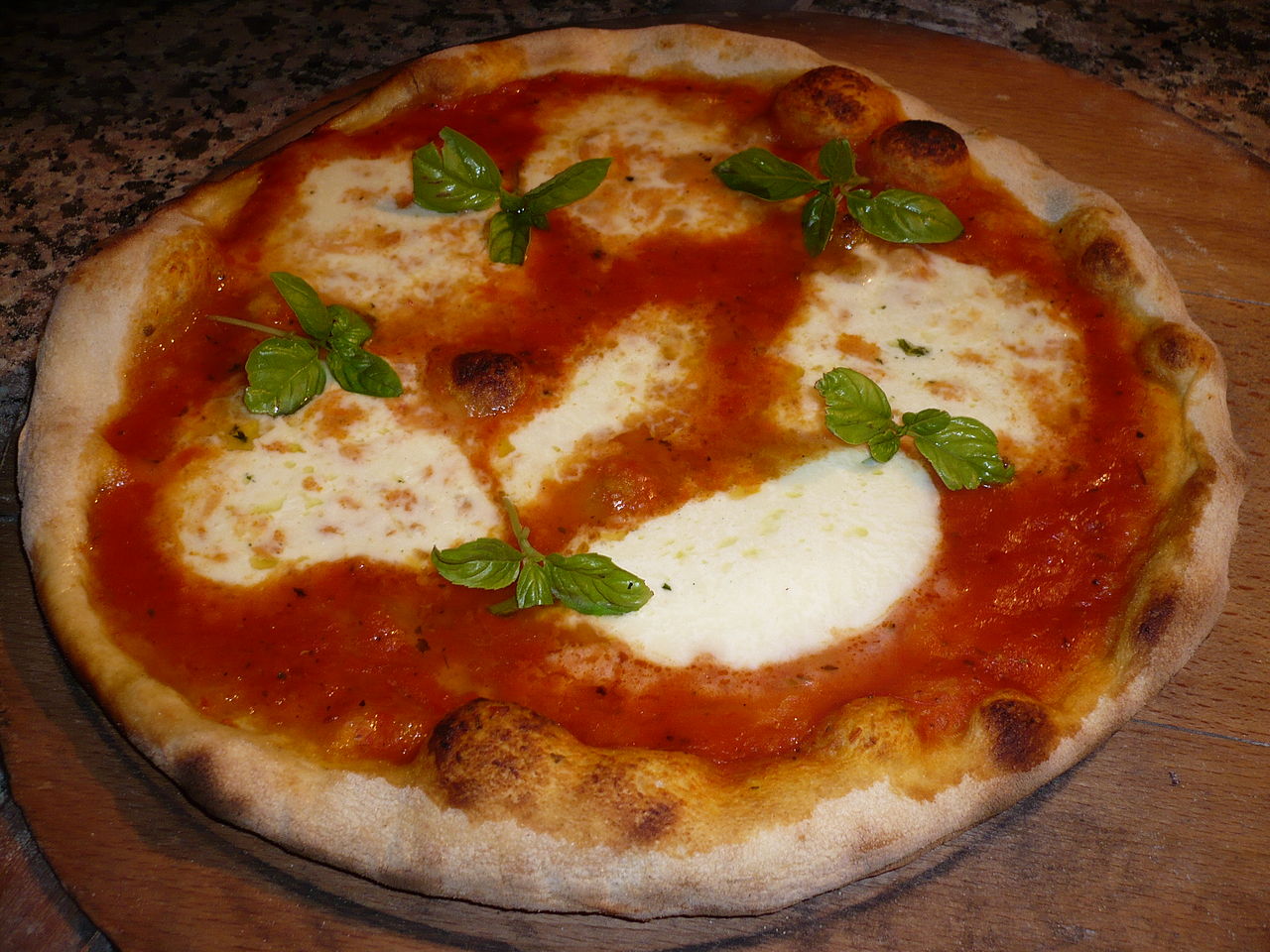
Photo: W.carter, CC0
The three yeasts, in one line each
- Fresh yeast (cake or block yeast) is about 70% water and has to be kept cold. It is what most European bakeries use.
- Active dry yeast is dried into coarse granules. It is alive but slow to wake, so it wants warm water and ten minutes.
- Instant dry yeast is the fine, fast one. It goes straight into the flour and needs no rehydrating.
They are the same organism at different strengths, which is why the conversion is a ratio and not a guess.
The conversion, by weight
One part instant dry equals 1.25 parts active dry and 3 parts fresh. Going the other way, fresh weighs three times what instant does for the same raising power.
| Fresh yeast | Active dry | Instant dry |
|---|---|---|
| 10 g | 4.2 g | 3.3 g |
| 20 g | 8.3 g | 6.7 g |
| 30 g | 12.5 g | 10 g |
| 50 g | 20.8 g | 16.7 g |
So a recipe that calls for 25 g of fresh yeast needs about 8.3 g of instant, not 25 g. Getting this backwards is the single most common reason a dough over-proofs in an hour.
How much yeast a dough actually needs
This is the part recipes rarely tell you: the right amount depends on how long the dough will ferment, not on the flour. These are instant dry percentages against the flour weight:
| Fermentation | Instant dry yeast | Active dry | Fresh |
|---|---|---|---|
| 2 hours at room temperature | 1% | 1.25% | 3% |
| 8 hours at room temperature | 0.5% | 0.63% | 1.5% |
| 24 hours cold, then 2 hours warm | 0.3% | 0.38% | 0.9% |
| 48 hours cold | 0.25% | 0.31% | 0.75% |
| 72 hours cold | 0.15% | 0.19% | 0.45% |
A 608 g batch of flour at 48 hours takes 1.5 g of instant dry yeast. In fresh yeast that is 4.5 g, and in active dry it is 1.9 g.
Rehydrating, if you are using active dry
Active dry yeast wants water at 38 to 43 °C (100 to 110 °F) and about ten minutes. It should foam; if it does not, the yeast is dead and no amount of waiting will save the batch. Instant dry skips this step entirely, and fresh yeast just needs crumbling into the water so it disperses.
What kills yeast
Water over about 50 °C (122 °F) is the fastest way. Salt sitting directly on the yeast before the flour goes in is the second: keep them apart until the mix brings them together. Cold does not kill it, which is exactly why a 72-hour fridge ferment works at a fifth of the yeast a two-hour rise needs.
One number worth remembering
If you remember nothing else: yeast scales with time, not with flour. Doubling the flour doubles the yeast only if the schedule stays the same. Change a two-hour rise into a two-day cold ferment and the yeast drops from 1% to 0.25% — a quarter of the amount for exactly the same dough.